Tadi pagi saya iseng ngoceh tentang cara memperbaiki snippet. Di Instagram Story.
Selesai ngoceh, saya sebar polling di Story. Apakah netizen ngerti apa enggak. Ternyata, 80% malah jawab, “Snippet itu apaaa?”
This blog loves discussing about content.
Reservation growth can stall while published articles continue attracting traffic and generating impressions. Competitors gain more visibility, more bookings, and more customer attention even when their content appears no better on the surface. The hidden reality is that content often loses business value long before rankings reveal a problem.
Publishing another article rarely fixes this situation. Performance gaps usually emerge from the arrival of wrong audiences, the friction visitors encounter before taking action, or difficulty of valuable pages to discover from search engine. These resources help identify which signal deserves attention before budget is spent on the wrong solution.
Before diagnosing an underperforming article, it helps to examine the audience it attracts. How to Choose Keywords for SEO Without Guesswork challenges the assumption that more search traffic automatically creates better outcomes. Readers learn how keyword choices influence the quality of future visitors long before they influence reporting metrics.
A page can attract the right people and still contribute less revenue than expected. The issue may not appear in the copy, design, or offer. Optimize Images for Web to Speed Up Sales reveals how image performance affects browsing behavior and why slow-loading visuals can quietly reduce the value of otherwise relevant traffic.
Search visibility is also shaped by relationships that visitors rarely notice. Through Internal Linking Structure That Scales Restaurant SEO, the focus shifts from individual pages to the pathways connecting them. Understanding those pathways makes it easier to recognize why useful content becomes harder to discover as a website grows.
Together, these resources reveal that content enhancement is really a process of interpretation. Better outcomes depend on recognizing whether the underlying constraint comes from audience alignment, visitor experience, or discoverability infrastructure before deciding what to change.
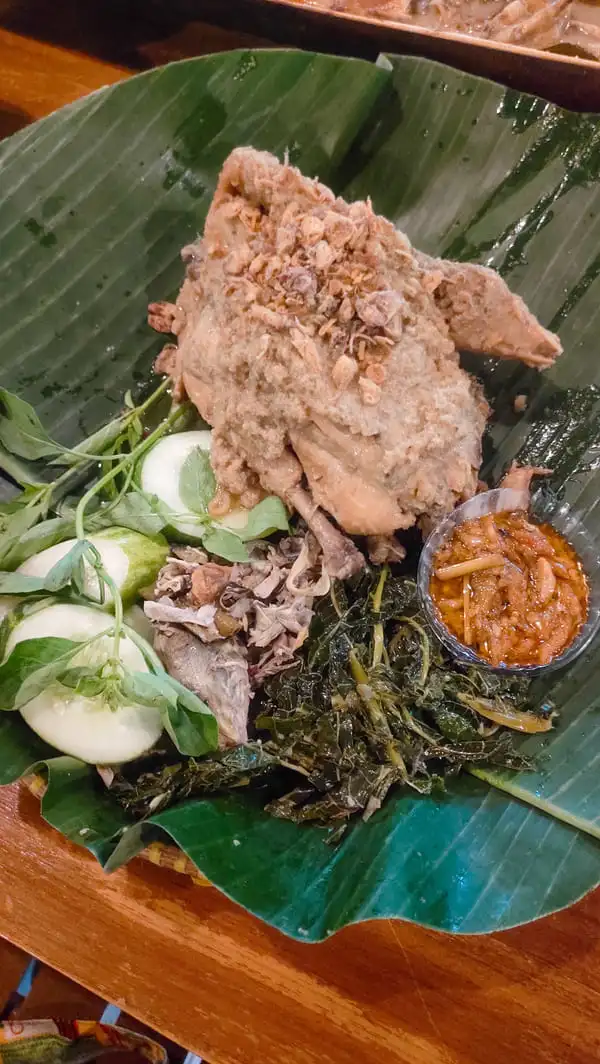
Many websites don’t fail because of low traffic; they fail because they attract the wrong people. Optimising for high-volume, generic keywords may inflate impressions, but it rarely translates into orders. Today’s SEO isn’t about being visible to everyone; it’s about being relevant to buyers at the moment they’re ready to decide.
Search behaviour has evolved. Health-conscious diners no longer look for vague terms like “traditional food.” They search with intent-driven language such as “fibre-rich Indonesian meals” or price-specific dish queries. These long-tail keywords may draw fewer visitors, but they convert better because they align with decision-stage intent.
A sustainable keyword strategy anchors each page to a clear outcome: reservations, orders, or trust, not vanity metrics. When keywords reflect how audiences think today, SEO stops being traffic-driven guesswork and starts becoming a reliable revenue system.
Tadi pagi saya iseng ngoceh tentang cara memperbaiki snippet. Di Instagram Story.
Selesai ngoceh, saya sebar polling di Story. Apakah netizen ngerti apa enggak. Ternyata, 80% malah jawab, “Snippet itu apaaa?”

Selamat, blog Anda sudah banyak pengunjungnya! Sekali nulis, komentarnya melebihi panjang tulisan utamanya. Shoutbox pun berisik bak forum on-line di blog Anda. Tapi apa Anda yakin kualitas kunjungannya bagus? Kenapa mereka datang ke blog Anda, apakah nyasar dijebak keyword yang Anda tembak asal-asalan, atau karena nggak sengaja nemu link blog Anda di site lain? Kalo … Read more