Case Study Reveals How Restaurants Earn AI Recommendations
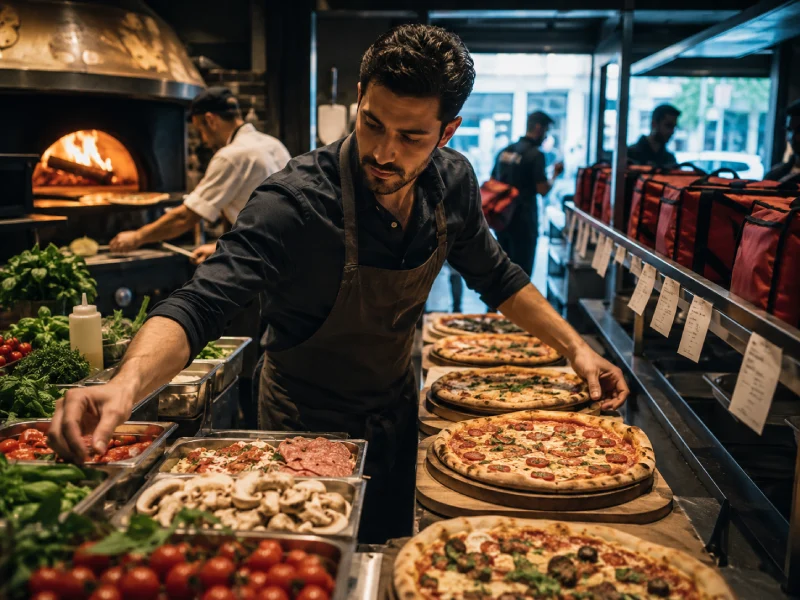
A pizzerian thinks about AI search optimization for his pizza bar.

Most restaurants assume a website and active social media are enough to appear in AI-generated recommendations. The evidence says otherwise. AI tools repeatedly recommended restaurants whose content directly answered purchase-ready questions. Restaurants that earned consistent recommendations structured their website evidence around buying intent and reinforced it through authoritative third parties like TripAdvisor. Evidence alignment drove visibility.

Blog Category Page Beyond Navigation

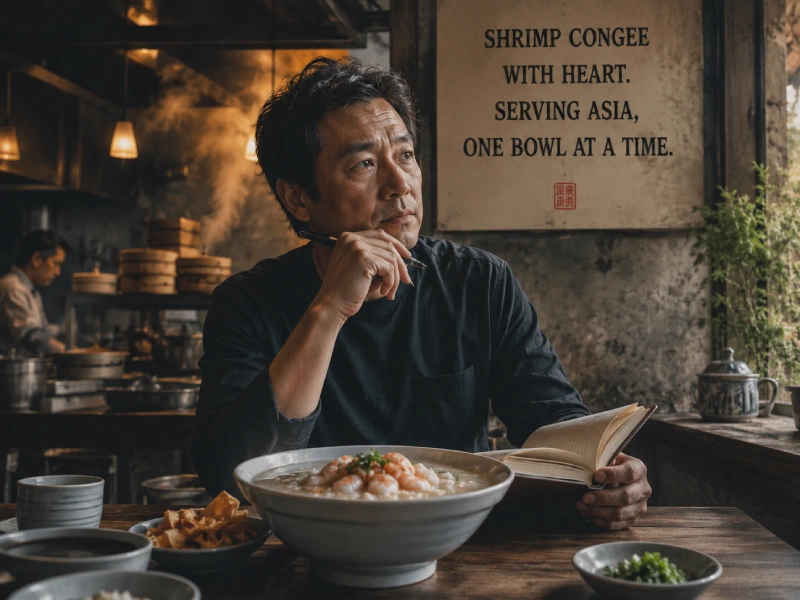
a marketing head of a restaurant learns about blog category page

In content production, category pages are often dismissed as simple navigation, yet that assumption hides a bigger opportunity. A well-structured category page works as a topic hub: it aligns with search intent, links articles with context, and signals topical authority to search systems.
This structure can help a category page outperform equally strong competitors, without requiring more content. The real priority is ensuring every article has a real chance to be discovered.

Evidence from A Content Analysis Dashboard

What this case study covers: A 40-page service website where manual GSC monitoring consumed 6–7 hours per quarter, delaying optimization decisions while qualified search opportunities quietly disappeared. After implementing a structured content analysis dashboard, monitoring shifted to weekly one-minute reviews.

This case study documents what the dashboard revealed, like hidden query patterns and the operational decisions that followed, and why faster monitoring changes what a content team can actually act on.